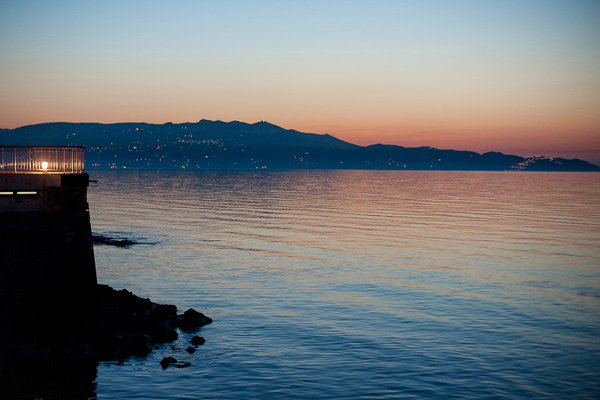
Nightfall in Heraklion
Photos from Greece.
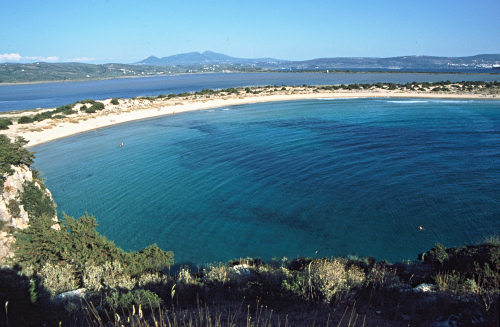
Voidokilia Bay is often referred to as “OX Belly Bay”, due to its peculiar Shape.
It is located on the Peloponneses, near the much bigger Bay of Navarino where a famous sea battle took place.
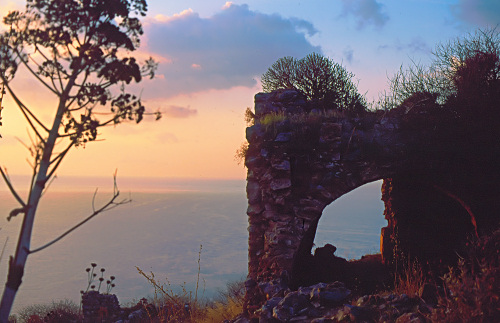
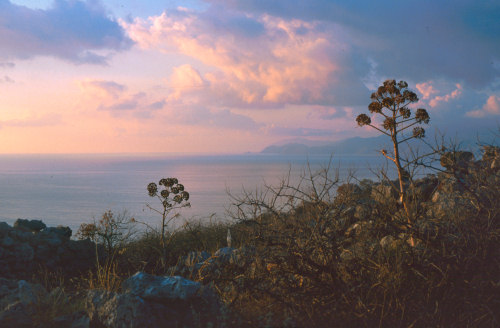
The view from the mountain is spectacular and so are the riuns of the ancient upper town.
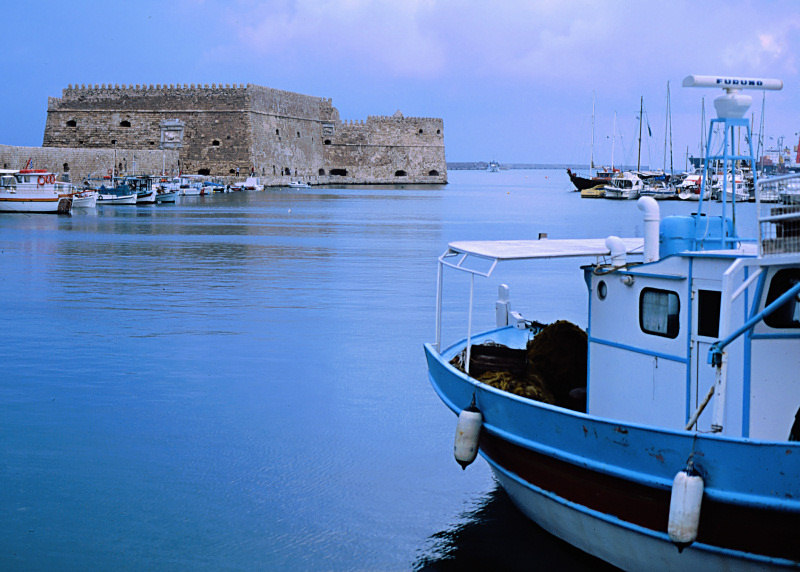
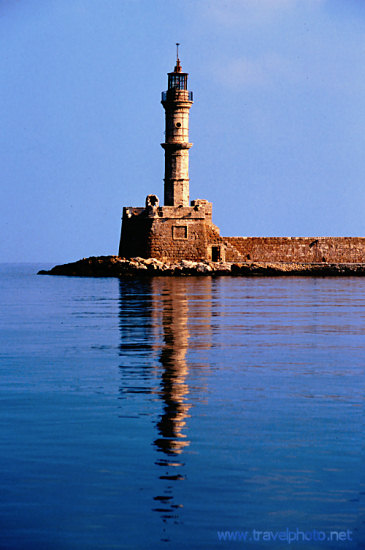
The Harbour of Heraklion (or Iraklio), Crete with the Venetian Fortress in the background.
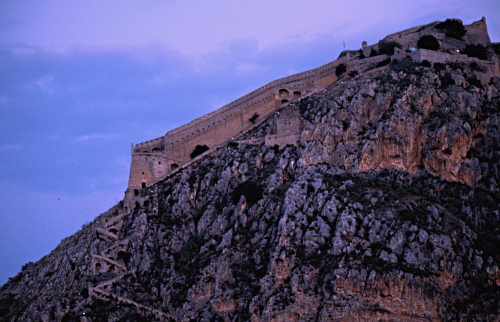
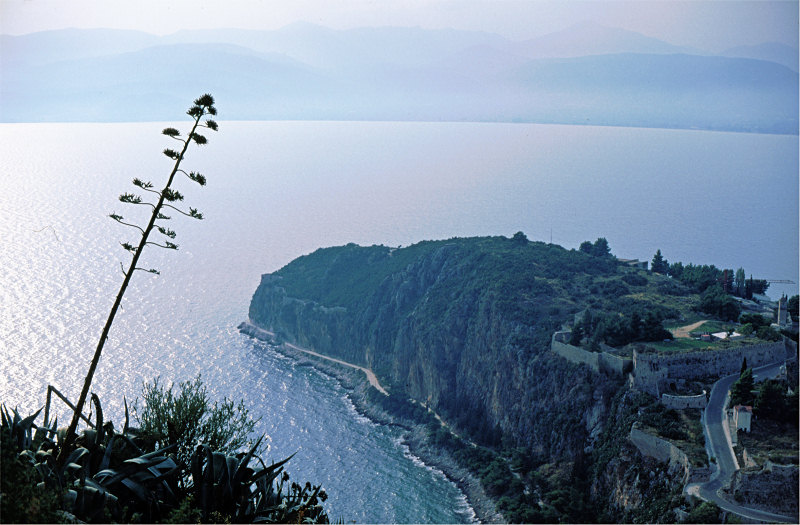
Nafplion (also: Nauplion, Nauplia, Nafplio) is a beautiful city on the Peloponnese, which was the capital of Greece from 1829 to 1834.
There are two ancient fortresses with Fort Palamidi towering above the city on a hill top.
This fortress looks especially picturesque in the evening and at night.
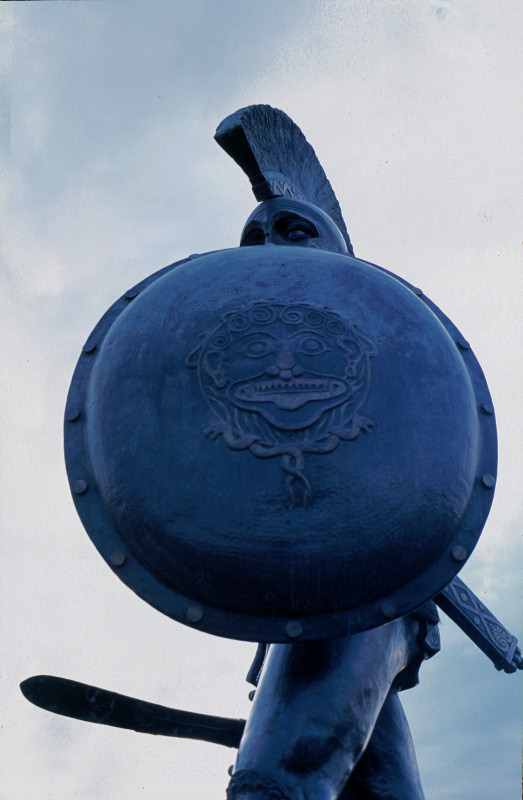
The statue of Leonidas, the famous king of Sparta (or Sparti) who led his small force to certain death against a huge Persian army at the pass of Thermopylae.
The photo was taken in bad weather using fill flash.
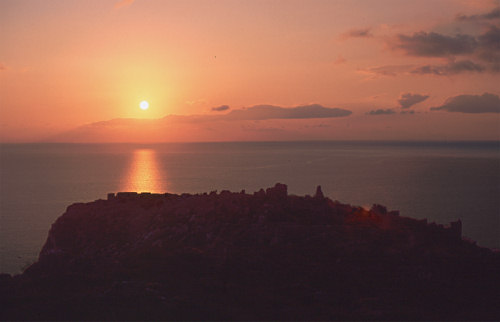
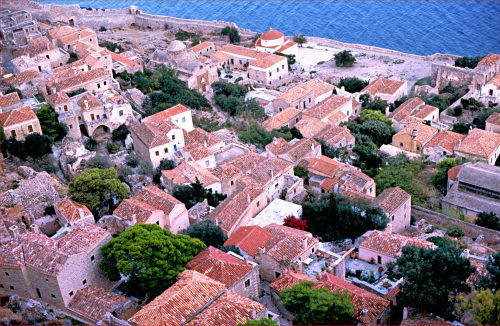
This was taken from the ruins of the upper town in Monemvasía.
For more on this magic place have a look at my earlier posts “Greek Gibraltar?” and “Greece: Monemvasia“
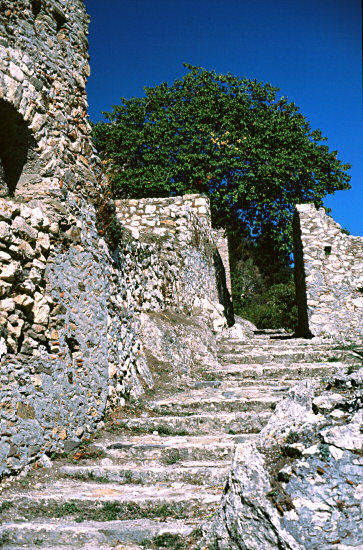
The archaeological site of Mystras is vast and one should devote at least several hours (better: a full day) to exploring it.
Getting there involves a steep climb but the effort is rewarded by many beautiful views and, of course, the wonderful byzantinic architecture including a castle, several important churches, palaces, convents a museum and some normal houses.
I especially enjoyed the scenic layout and the many overgrown paths, old stairs and dorrways.
Like with many transcribed places names, quite a confusion exists concerning the spelling of the Greek place name ??????? in our alphabet: Mystras, Mystra, Mistra, Mistras.
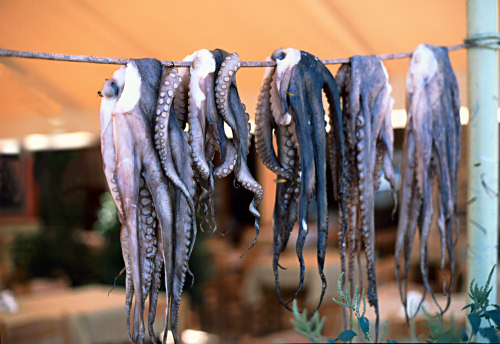
Everywhere around the harbour, you can see those lines full of drying octopus.
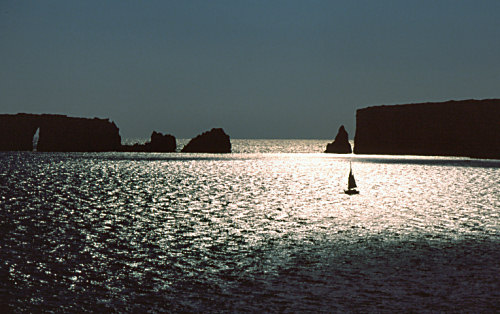
Pylos nowadays is a small, pleasant place with a huge fortress and an interesting museum.
Pylos is very strategically situated with a huge natural harbour, where the famous battle of Navarino took place.
Here, in 1827, a European fleet (England, France, and Russia) destroyed the holed-in Egyptian fleet of Muhammad Ali, who came to the aid of the Turkish Empire in the Greek war of independence.
More on the battle of Navarino at Wikipedia.
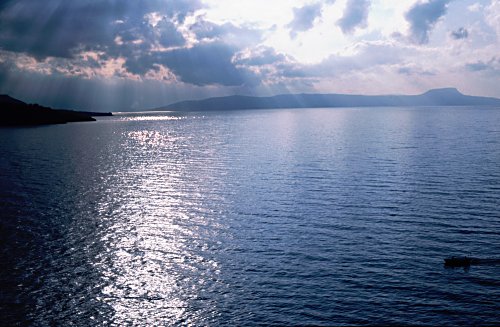
In the picture you can see part of the small opening of the huge bay with Sphacteria island to the right.
I took this photo using a polarizing filter on Fuji Velvia.

The ruins of the abandoned upper town of Monemvasía are a mystical place, - especially if you get there very early in the morning - or shortly before sunset.
This is the silhouette of one of the walls.
More on Monemvasia.
PS: Here’s a tip on how to take pictures of dramatic silhouettes.
There are new photos in the Canada and Greece sections of the guest gallery.
The photographers are Benny Everaerts Eleni and Robert Calvé.

The Venetian fortress was originally built to defend the city agains the Turks, but nowadays you find many Turkish buildings inside it.

When we visited Greece, many places were building sites, including the Acropolis.

Monemvasía has been dubbed the “Gibraltar of Greece” - and there are definite similarities.
Only a small dyke links the Island-rock to the Peloponnese, in earlier times this strategic position was further fortified by a drawing bridge and a castle on top of the rock.
Looking at the town from this side it seems to be almost uninhabited, - only after passing through the city gate one sees the remains of a city that once had 30000 inhabitants.
Today, the lower city has been carefully restaurated and it is possible to stay there in an apartment that is several centuries old. Definitely recommended.
Although today only 400 people live here, there’s a regular bus to the other side. Please beware that on public holidays and sundays you may not be able to catch the earliest long distance bus from there, as the bus may not be running yet and taxis may not be willing to take you either. A good excuse to prolong your stay.
A must: going up the rock to the ruins of the upper city. This is especially beautiful at sunrise. You’ll be back in time for breakfast and the colours are amazing.
0.189 || Powered by WordPress